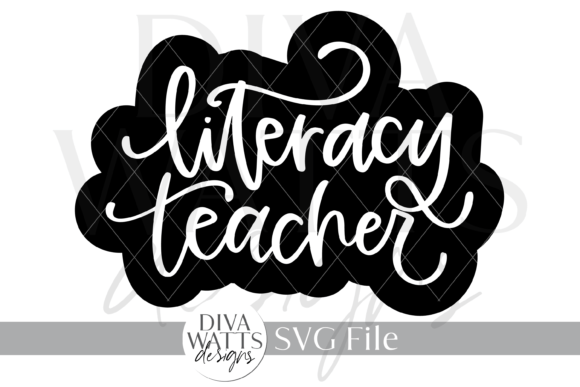
Literacy Teacher SVG: A Guide to Choosing and Using the Right Design
The Literacy Teacher SVG has become a staple for educators, gift-givers, and small business owners looking to honor the professionals who shape young minds. This digital design format captures the essence of literacy education through engaging typography and symbolic imagery like open books, pencils, and scattered letters. It is more than just a graphic; it is a versatile tool that celebrates the dedication of teachers who inspire students to explore the world through words. However, simply downloading a file with "Literacy Teacher" in the title does not guarantee a professional result. The difference between a project that looks polished and one that feels rushed often lies in understanding the technical nuances of the file itself.
Understanding the Value of Scalable Vector Graphics
Before diving into specific designs, it is crucial to understand why the SVG format is preferred over raster images like JPEGs or PNGs for this type of project. An SVG stands for Scalable Vector Graphics. Unlike pixel-based images that blur or pixelate when enlarged, an SVG uses mathematical equations to define shapes. This means a Literacy Teacher SVG can be resized from a tiny icon on a website to a massive banner for a school hallway without losing any clarity.
This scalability is vital for creators who need flexibility. Whether you are cutting vinyl for a t-shirt using a Cricut machine, printing a high-resolution poster for classroom decor, or embedding the image into a digital newsletter, the vector format ensures crisp lines every time. Many beginners overlook this distinction, opting for lower-cost raster files that look fine on a screen but fail miserably when printed or cut at larger sizes.
Common Pitfalls When Selecting a Design File
Even experienced creators can stumble when evaluating digital assets. One of the most frequent mistakes is assuming all files labeled as "SVG" are created equal. In reality, many sellers bundle low-quality vector files that contain unnecessary elements or complex paths that confuse cutting machines. If you download a file that hasn't been optimized, you may find yourself spending hours untangling overlapping lines or dealing with jagged edges during the weeding process.
Another common oversight is ignoring the licensing terms. A design that looks perfect for a personal teacher appreciation gift might violate copyright laws if used for commercial products like mugs sold on Etsy. Misunderstanding these terms can lead to legal issues or account suspensions for small business owners. Always verify whether the license covers personal use only or includes commercial rights before making a purchase.
Furthermore, users often neglect to check the color separation capabilities of the design. A Literacy Teacher SVG intended for multi-color heat transfers requires distinct layers for each color. If the file is flattened or grouped incorrectly, you will struggle to apply different colored vinyls or inks effectively. This results in wasted materials and a final product that looks messy rather than professional.
How Poor Choices Impact Your Project
The consequences of these oversights extend beyond frustration. Using a poorly constructed file can damage your equipment. For instance, intricate, unoptimized paths can cause a cutting blade to wear out prematurely or slip, leading to ruined vinyl sheets. In a commercial setting, this inefficiency directly impacts your bottom line by increasing material waste and production time.
Presentation also suffers when the wrong file is chosen. A blurry or misaligned design undermines the message of appreciation you are trying to convey. If you are creating classroom resources, a low-quality graphic can distract from the educational content rather than enhancing it. The goal is to highlight the importance of literacy and the educators who teach it, and a subpar visual representation detracts from that noble purpose.
Practical Steps for Evaluating and Using SVG Files
To avoid these pitfalls, adopt a systematic approach when selecting and applying a Literacy Teacher SVG. Start by previewing the file in a vector editing program like Adobe Illustrator, Inkscape, or Silhouette Studio before you buy or cut it. Look for clean paths, properly closed shapes, and organized layers. A well-made file should have logical groupings, such as separate layers for text, background elements, and decorative icons like books or pencils.
Check the complexity of the design relative to your intended use. While intricate details look beautiful on a large sign, they may be too delicate for a small keychain or a fabric patch. Simplify the layout if necessary. Remember that the best design is one that serves its function effectively. If the text is hard to read or the symbols are too small to recognize, the design fails its primary goal of communication.
Consider the customization options available. A truly useful Literacy Teacher SVG allows you to adjust the size, color, and layout to fit your specific project needs. Ensure the font used is either embedded or widely available so you don't face missing font errors later. If you plan to add your own text, make sure the design leaves enough space for it without cluttering the composition.
Best Practices for Classroom Decor and Gifts
When using these designs for classroom environments, think about durability and visibility. High-traffic areas require sturdy materials, so choose an SVG that works well with durable vinyl or laminated prints. For teacher appreciation gifts, focus on personalization. Use the customizable nature of the file to add the teacher's name, grade level, or a specific subject focus. This personal touch transforms a generic graphic into a meaningful token of gratitude.
If you are a blogger or marketer creating educational resources, ensure the file resolution matches your platform's requirements. For web use, export the SVG to a web-optimized version to keep page load times fast. For printables, convert the vector to a high-DPI PDF or PNG while maintaining the sharpness of the original lines. Always test print a small section first to check color accuracy and alignment.
Final Considerations Before You Decide
Before finalizing your decision, ask yourself if the design aligns with your brand or the message you wish to convey. Does the typography feel inviting and thoughtful? Do the symbolic elements like letters and books resonate with the theme of literacy? A good design should evoke a sense of inspiration and dedication, reflecting the hard work of educators.
Take the time to compare different options. Look for reviews from other creators who have used the same file. Pay attention to comments regarding ease of use, cut quality, and customer support. Investing a few extra minutes in research now can save you significant time and money later. By choosing a high-quality, well-structured Literacy Teacher SVG, you ensure that your project not only looks professional but also honors the vital role of literacy teachers in fostering a love for reading and writing.