Sad Cartoon Boy Sitting at Table with Pi: A Visual Narrative
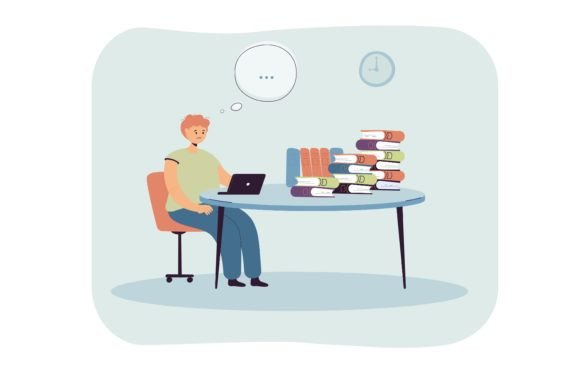
In the vast landscape of digital illustration, few images capture the complex emotional state of modern childhood as effectively as the Sad Cartoon Boy Sitting at Table with Pi. This flat vector illustration is more than a simple graphic; it is a poignant commentary on the pressures of education and the isolating nature of academic struggle. By depicting a young character swamped by mountains of books and reluctantly engaging with a laptop, the artwork invites viewers to immerse themselves in a universe where learning feels less like an adventure and more like a futile battle. For designers, educators, and content creators, understanding the depth and utility of this image is essential for leveraging its emotional resonance in web design, marketing, and storytelling.
The Anatomy of Academic Overwhelm
The power of the Sad Cartoon Boy Sitting at Table with Pi lies in its ability to communicate a universal feeling through minimalistic design. The central figure, a forlorn boy, is not merely sitting; he is drowning. The "mountains of books" surrounding him serve as a visual metaphor for the overwhelming volume of information students are expected to process. In contrast to traditional educational imagery that often features smiling children or colorful classrooms, this illustration chooses a path of realism and empathy. It acknowledges the fatigue, the confusion, and the sheer weight of expectations placed on young minds.
The inclusion of the mathematical symbol Pi (π) is particularly significant. It acts as a focal point, representing the abstract and often intimidating nature of higher-level concepts. When paired with the open laptop, which the boy engages with "reluctantly," the scene paints a clear picture of the contemporary student experience. Technology, intended to be a tool for empowerment, here becomes another source of pressure, a screen demanding answers in a world that already feels too heavy to bear. This specific combination of elements creates a narrative that resonates deeply with anyone who has ever felt stuck in their studies.
Design Elements That Tell a Story
From a technical standpoint, the illustration utilizes a flat vector style, which ensures scalability and clarity across various digital platforms. The strategic use of hues plays a crucial role in setting the mood. Unlike the bright, saturated colors often associated with cartoons, this piece likely employs a more subdued palette to reflect the somber theme. These colors work together to create a cohesive aesthetic that draws the viewer in without being visually aggressive.
- Character Expression: The facial features of the boy are designed to convey exhaustion and resignation rather than anger, making the image relatable rather than confrontational.
- Composition: The clutter of books frames the character, creating a sense of confinement that mirrors the psychological state of the subject.
- Symbolism: The laptop and the Pi symbol act as anchors, grounding the emotional narrative in the specific context of academic work.
These design choices make the Sad Cartoon Boy Sitting at Table with Pi a versatile asset. It is primed for use as a banner, a landing page hero image, or a standalone graphic in blog posts discussing mental health in schools or the challenges of remote learning.
Practical Applications in Digital Design
For professionals and business owners looking to enhance their online presence, incorporating this illustration can add a layer of sophistication and emotional intelligence to their projects. However, its application requires careful consideration of context. The image is not suitable for every scenario; it is best deployed where the message aligns with themes of struggle, empathy, or the need for support.
Web Design and Landing Pages
When used as a landing page element, the Sad Cartoon Boy can serve as a powerful hook for services related to tutoring, educational counseling, or stress management for students. Imagine a website for a homework help service. Instead of using generic stock photos of happy kids, placing this illustration at the top of the page immediately validates the user's feelings. It tells them, "We understand how hard this is." This validation builds trust and encourages visitors to engage with the content or seek assistance.
Similarly, for educational institutions aiming to humanize their brand, this graphic can be part of a campaign focused on student well-being. It signals that the institution recognizes the pressures students face and is committed to providing a supportive environment. The sweeping narrative of the artwork allows it to function as a silent ambassador for these values.
Banners and Social Media Campaigns
As a banner advertisement or social media post, the image stands out due to its unique perspective. In a feed filled with overly optimistic and polished content, a depiction of genuine struggle can stop the scroll. It invites conversation and shares a moment of shared experience. Creators can pair this visual with captions that discuss study tips, mental health awareness, or the importance of taking breaks, turning a moment of sadness into a call for action and community support.
- Educational Blogs: Use the image to illustrate articles about study burnout or effective learning strategies.
- Non-Profit Websites: Feature it on pages dedicated to fundraising for school supplies or educational equity.
- Mental Health Apps: Incorporate it into onboarding flows or resource sections for students.
Evaluating Suitability and Limitations
While the Sad Cartoon Boy Sitting at Table with Pi is a compelling piece of art, it is not a one-size-fits-all solution. Before integrating it into a project, creators must evaluate whether the tone matches their brand voice and objectives. The primary strength of this illustration is its emotional depth, but this same quality can be a limitation if misused.
If a brand's goal is to project high energy, excitement, or unbridled success, this image may send a conflicting message. It is an image of pause and reflection, not celebration. Therefore, it should be avoided in contexts where the primary goal is to sell a product based on instant gratification or easy success. Instead, it shines in scenarios that require building rapport through empathy.
Furthermore, while the flat vector style is modern and clean, the specific subject matter limits its versatility compared to more neutral graphics. It is highly specialized for the education sector or topics related to youth development. Businesses outside these niches might find the symbolism of the books and the Pi sign confusing or irrelevant to their audience.
Real-World Scenarios
Consider a scenario where an online course platform is launching a new module on "Overcoming Math Anxiety." Using the Sad Cartoon Boy Sitting at Table with Pi as the cover image would be a strategic masterstroke. It directly addresses the pain point of the target audience—the fear and frustration associated with mathematics. It sets the stage for a solution-oriented narrative that begins with acknowledging the problem.
Conversely, imagine a tech company selling the latest high-performance laptops. Using this image to promote speed and efficiency would be counterintuitive. The boy's reluctance and the chaotic desk suggest a struggle with the tool, not a mastery of it. In this case, the image would undermine the product's value proposition.
Conclusion: Enriching the Design Landscape
The Sad Cartoon Boy Sitting at Table with Pi offers a rare opportunity to connect with audiences on a deeper, more human level. In a digital world often characterized by superficiality, this illustration dares to show the messy, difficult side of growing up and learning. It challenges societal norms around school and learning, prompting viewers to think critically about the systems that shape our children's experiences.
By understanding its purpose, features, and appropriate applications, designers and content creators can harness its potential to tell stories that matter. Whether used to launch a support initiative, decorate an educational blog, or simply spark a conversation about the pressures of modern life, this graphic is a testament to the power of visual storytelling. Let the adventures of the Sad Cartoon Boy enrich your design landscape today, transforming simple pixels into a catalyst for understanding and change.