Fire Safety Coloring Pages, Firefighter: Engaging Young Learners in Essential Safety Skills
Teaching fire safety to young children often feels like a delicate balancing act. On one hand, the topic is serious and life-saving; on the other, you don't want to instill unnecessary fear in a preschooler or kindergartener. This is where Fire Safety Coloring Pages, Firefighter resources step in as a powerful educational tool. These aren't just busy-work activities for a rainy afternoon; they are strategic learning aids designed to make critical safety concepts accessible, memorable, and even fun for students from PreK through 3rd grade.
More Than Just Crayons and Paper
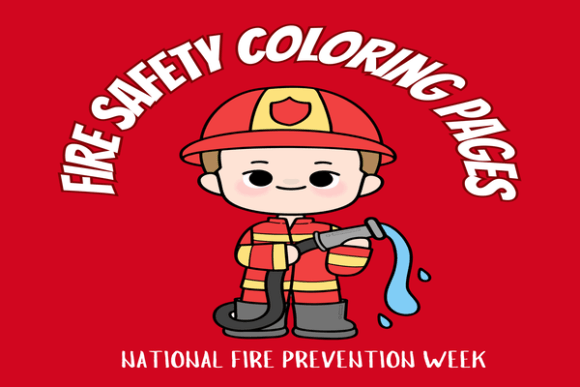
At its core, this collection of materials transforms abstract safety rules into concrete visual stories. When a child colors a firefighter climbing a ladder or a family practicing "Stop, Drop, and Roll," they are actively engaging with the scenario. The act of coloring slows down the cognitive process, allowing the child to absorb details they might otherwise miss during a lecture or a video presentation. With 33 unique pages available in high-quality PDF and JPG formats, these resources offer a comprehensive library of scenarios that cover everything from recognizing smoke alarms to understanding the role of emergency responders.
The design philosophy behind these pages recognizes that young learners process information differently than adults. They need repetition, visual cues, and hands-on interaction. By providing an 8.5 × 11-inch standard page size, the materials fit perfectly into existing classroom folders, home binders, and activity centers, ensuring they are ready for immediate use without technical hassle.
National Fire Prevention Week: A Catalyst for Learning
One of the most impactful times to utilize these resources is during National Fire Prevention Week. Typically observed in October, this week serves as a nationwide reminder of the importance of fire prevention and safety education. For teachers and parents, it can be challenging to find age-appropriate content that aligns with school curricula while remaining engaging.
Imagine a kindergarten classroom where the teacher introduces the concept of a fire drill. Instead of a dry explanation, the class pulls out their Fire Safety Coloring Pages, Firefighter sheets. As they color the bright red fire truck and the brave firefighter, the teacher narrates the story of what happens when the alarm rings. This multi-sensory approach—combining visual art, auditory storytelling, and tactile movement—creates a stronger memory trace. It turns a potentially scary event into a manageable, understood sequence of actions.
Practical Scenarios for Diverse Audiences
The versatility of these coloring pages extends far beyond the classroom walls. Different users can leverage these tools in various real-world situations to achieve specific safety goals.
In the Classroom Setting
For educators managing PreK to 3rd-grade classrooms, time is a premium resource. These pages serve as excellent center activities or quiet-time tasks after a morning assembly about fire safety. A third-grade teacher might use a specific page depicting a home escape plan to facilitate a group discussion. Students can color the exits and then draw arrows showing how they would move to the meeting spot outside. This bridges the gap between passive listening and active problem-solving. The English language text included ensures that the vocabulary used is consistent with standard fire safety terminology, reinforcing literacy skills alongside safety knowledge.
At Home with Parents and Guardians
Parents often struggle to initiate conversations about emergencies without causing anxiety. A coloring book provides a neutral ground. During dinner prep or a weekend afternoon, a parent can sit with their child and ask questions based on the image: "Why do you think the firefighter has this helmet?" or "What should we do if we see smoke?" The Fire Safety Coloring Pages, Firefighter collection acts as a conversation starter, guiding the dialogue naturally. It allows parents to assess what their child already knows and gently correct misconceptions in a low-pressure environment.
Community Centers and Youth Groups
Scouts, daycares, and community organizations frequently host safety workshops. Having a physical takeaway for children increases the retention of the lesson. Handing out a packet of these high-quality printable pages gives the child something to take home, share with siblings, and revisit later. It reinforces the message that fire safety is a continuous practice, not a one-time lesson.
Tailoring Content by Age Group
While the overarching theme is fire safety, the application changes significantly depending on the developmental stage of the learner. The 33-page collection is curated to address these nuances.
- Pre-Kindergarten: At this stage, the focus is on recognition and simple actions. Pages featuring friendly firefighters and clear, bold outlines help toddlers identify who helps them in an emergency. The goal is familiarity rather than complex planning.
- Kindergarten: Children begin to understand sequences. Activities here might involve coloring a path to the exit or identifying household hazards. The kindergarten fire safety activities provided encourage fine motor skills while introducing the concept of "safe" versus "unsafe."
- First to Third Grade: Older elementary students can handle more detailed scenarios. Third grade fire prevention lessons using these pages can include drawing escape plans, labeling parts of a fire extinguisher, or discussing the science of fire. The complexity of the illustrations matches their growing ability to analyze situations.
Key Considerations Before You Start
Before integrating these resources into your routine, there are a few practical considerations to ensure maximum effectiveness. First, consider the format. While digital files (PDF and JPG) offer flexibility, printing quality matters. Since these are intended for young eyes, ensure you print on standard 8.5 × 11-inch paper with sufficient ink density so the lines are crisp and easy to color within.
Second, context is king. Never simply hand over a page without a brief introduction. Even a thirty-second explanation sets the stage. If a child sees a picture of a burning house without context, it might be frightening. If they see it as part of a "practice our plan" activity, it becomes empowering. Always pair the coloring activity with a verbal reinforcement of the safety rule depicted.
Finally, be mindful of cultural and environmental differences. While the core principles of fire safety are universal, the specifics of a home's layout or the type of heating systems used can vary. Use the images as a springboard to discuss the child's specific environment. "This family uses a gas stove; what does your kitchen look like?" This customization makes the lesson deeply personal and relevant.
Strengths and Limitations of Visual Learning Tools
The primary strength of Fire Safety Coloring Pages, Firefighter lies in their accessibility and engagement factor. They lower the barrier to entry for difficult topics, making them suitable for children with different learning styles, including those who may struggle with purely auditory instruction. The high-quality format ensures that the images are professional and appealing, which keeps children interested longer.
However, it is important to recognize the limitations. Coloring pages are a supplement, not a replacement for actual drills and hands-on practice. A child can color a perfect escape route, but they still need to physically walk that route in their home or school. These resources are best viewed as the "theory" component of fire safety education, which must always be followed by the "practice" component. Additionally, while the English language content is clear, non-native speakers may require additional support to fully grasp the vocabulary associated with the illustrations.
Building a Culture of Safety
Ultimately, the goal of using these resources is to build a culture of safety that lasts a lifetime. By introducing fire prevention concepts early, through the lens of creativity and play, we empower young learners to take ownership of their well-being. Whether you are a teacher preparing for National Fire Prevention Week, a parent wanting to have a meaningful chat with your toddler, or a community leader organizing a safety drive, these 33 pages provide a robust foundation.
They transform the intimidating figure of a firefighter into a hero to admire and the terrifying concept of fire into a manageable risk. In doing so, Fire Safety Coloring Pages, Firefighter do more than fill a worksheet; they plant seeds of awareness that grow into lifelong habits of caution and preparedness. When children leave the coloring table, they carry with them not just a colored picture, but a clearer understanding of how to stay safe.