Unlocking Safety: Why Cyber Security Matters in the Modern Classroom
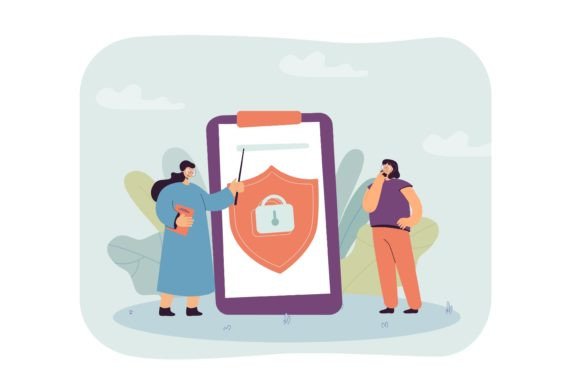
In a vibrant, flat vector illustration that has become a staple for modern educational websites, we see a scene that captures the essence of today's digital learning environment. A teacher stands confidently before a class, holding a pointer to highlight a tablet screen displaying a prominent padlock icon. Beside them, an attentive student watches with curiosity, representing the next generation of digital natives. This image is more than just a graphic; it is a visual metaphor for the critical conversation surrounding cyber security and information protection. As schools increasingly integrate technology into daily lessons, understanding how to secure these devices has shifted from a technical niche to a fundamental life skill.
The locked tablet in this educational context symbolizes the barrier between valuable data and potential threats. It serves as a conversation starter, prompting educators, parents, and students alike to ask: What are we protecting? Why does it matter? And how do we ensure our digital spaces remain safe? This article explores the significance of these questions, breaking down the complexities of cyber security into actionable insights for everyone from beginners to experienced users.
The Digital Shift in Education
To understand the importance of the locked tablet, we must first look at the landscape of modern education. Gone are the days when learning was confined to textbooks and chalkboards. Today, classrooms are equipped with tablets, laptops, and interactive whiteboards that connect students to a vast ocean of information. This transformation offers incredible opportunities for creativity, collaboration, and personalized learning. However, it also introduces new vulnerabilities.
When a teacher uses a tablet to present a lesson or a student submits homework online, they are engaging in a digital exchange of information. This data includes personal identifiers, academic records, and sometimes even financial information related to school fees or supplies. Without proper safeguards, this information is exposed to various risks. The padlock on the screen represents the necessary protocols—passwords, encryption, and firewalls—that keep this data secure.
Why Information Protection is Non-Negotiable
Cyber security is often misunderstood as a concern only for large corporations or government agencies. In reality, it is deeply personal and relevant to every individual, especially in an educational setting. Schools are prime targets for cybercriminals because they hold vast amounts of sensitive data on minors. A breach in this environment can lead to identity theft, privacy violations, and significant disruption to the learning process.
Consider the following scenarios where information protection becomes critical:
- Student Privacy: Protecting grades, attendance records, and behavioral reports from unauthorized access.
- Intellectual Property: Ensuring that teachers' lesson plans and original educational content are not stolen or plagiarized.
- Network Integrity: Preventing malicious software (malware) from infiltrating the school network and shutting down operations.
The teacher pointing at the lock in our illustration is essentially teaching a lesson on boundaries. Just as we teach children to look both ways before crossing the street, we must teach them to verify sources and secure their devices before navigating the internet.
Demystifying Cyber Security Concepts
For many, the term "cyber security" sounds intimidating and overly technical. However, at its core, it is simply the practice of protecting systems, networks, and programs from digital attacks. Let's break down some key concepts that are essential for building a secure digital habit.
Authentication and Access Control
The padlock icon usually signifies authentication—the process of verifying who you are. In the classroom, this might mean a student logging into their tablet with a unique username and password. Strong authentication ensures that only authorized individuals can access specific files or applications. It is the digital equivalent of having a key to your house; without it, no one should be able to enter.
Multi-Factor Authentication (MFA) takes this a step further by requiring two forms of verification, such as a password and a code sent to a phone. While this adds a small layer of inconvenience, it significantly reduces the risk of unauthorized access, making it a best practice for both schools and businesses.
Encryption: The Language of Secrets
Another vital component of information protection is encryption. When data is encrypted, it is scrambled into a code that can only be read by someone with the correct decryption key. Even if a hacker manages to steal a file from a school server, encryption ensures that the data remains useless to them. This concept is crucial for maintaining trust in digital platforms used for remote learning and administrative tasks.
Practical Relevance in Daily Life and Work
The lessons learned in the digital classroom extend far beyond school walls. The habits formed regarding cyber security today shape the professional lives of tomorrow. In the modern workforce, almost every industry relies on secure data handling. Whether in healthcare, finance, or creative arts, the ability to protect information is a highly valued skill.
For example, a graphic designer working on a client project needs to ensure that their digital files are not intercepted by competitors. Similarly, a medical professional must safeguard patient records to comply with legal standards like HIPAA. The foundational understanding of why a "locked tablet" matters translates directly into professional competence and ethical responsibility.
Furthermore, as we move toward a more connected world with smart homes and Internet of Things (IoT) devices, the principles of securing endpoints become even more relevant. Every device connected to the internet is a potential entry point for attackers. By fostering a culture of security awareness early on, we create a society that is more resilient against evolving cyber threats.
Common Misunderstandings About Digital Safety
Despite the growing emphasis on cyber security, several myths persist that can leave individuals vulnerable. Clarifying these misconceptions is essential for true understanding.
- "I have nothing to hide, so I don't need security." This is a dangerous assumption. Cybercriminals are often interested in your identity, not just your secrets. They can use your personal information to commit fraud or gain access to other accounts.
- "Antivirus software is enough." While antivirus tools are important, they are not a silver bullet. Human error, such as clicking on a phishing link, can bypass even the best software. Education and vigilance are equally critical.
- "Cyber security is the IT department's job." Security is a shared responsibility. In a school, this means teachers, administrators, students, and parents all play a role in maintaining a safe environment.
Building a Culture of Secure Digital Practices
The illustration of the teacher and the student serves as a powerful reminder that education is the strongest defense against cyber threats. Schools can foster a culture of security by integrating these topics into the curriculum. Instead of treating cyber security as a separate, dry lecture, it can be woven into everyday activities.
Teachers can use real-world examples to explain the consequences of weak passwords or the dangers of sharing personal information online. Students can participate in simulations where they identify phishing emails or practice creating strong passphrases. These interactive approaches make the abstract concept of "information protection" tangible and memorable.
Moreover, schools should encourage open communication. If a student accidentally clicks on a suspicious link, they should feel comfortable reporting it immediately rather than hiding it out of fear. A supportive environment encourages proactive behavior and rapid response to potential incidents.
Conclusion: The Lock is Open for Learning, Closed to Threats
The image of the teacher highlighting a locked tablet is more than a piece of art; it is a call to action. It reminds us that while technology opens doors to endless possibilities, we must also build locks to keep the bad actors out. In an era where digital literacy is as important as reading and writing, understanding cyber security is no longer optional—it is essential.
By embracing secure digital practices, we protect not only our data but also our future. We empower students to navigate the online world with confidence and caution. Whether you are an educator designing a lesson plan, a parent guiding your child, or a professional managing sensitive data, the message remains the same: Stay informed, stay vigilant, and keep your digital keys safe. The journey toward a secure digital future begins with a single click—and the wisdom to know which ones to avoid.
As we continue to innovate and integrate technology into every aspect of our lives, let us remember the lesson of the locked tablet. It stands as a symbol of our commitment to safety, integrity, and the responsible use of the powerful tools at our fingertips. Together, we can build a digital ecosystem that is as secure as it is inspiring.